Your SAP custom code is only future-ready when unused objects are retired, S/4HANA compatibility is secured, and architecture aligns with Clean Core standards. Manual remediation is risky and slow. By leveraging intelligent automation, you reduce costs, eliminate code freezes, and massively accelerate your secure SAP migration
Why Outdated SAP Custom Code is a Strategic Risk
Every major technology upgrade carries both tremendous potential and genuine risks. Our benchmarks show that an average SAP ECC system contains roughly 22,000 custom objects and 2.7 million lines of code. This codebase is often monolithic, tightly coupled to the SAP core, and filled with outdated constructs.
Attempting to remediate this technical debt manually requires thousands of hours of work, drains internal resources, and invariably introduces human error. To achieve a true Clean Core and a stable S/4HANA system, organizations need a systematic, automated approach.
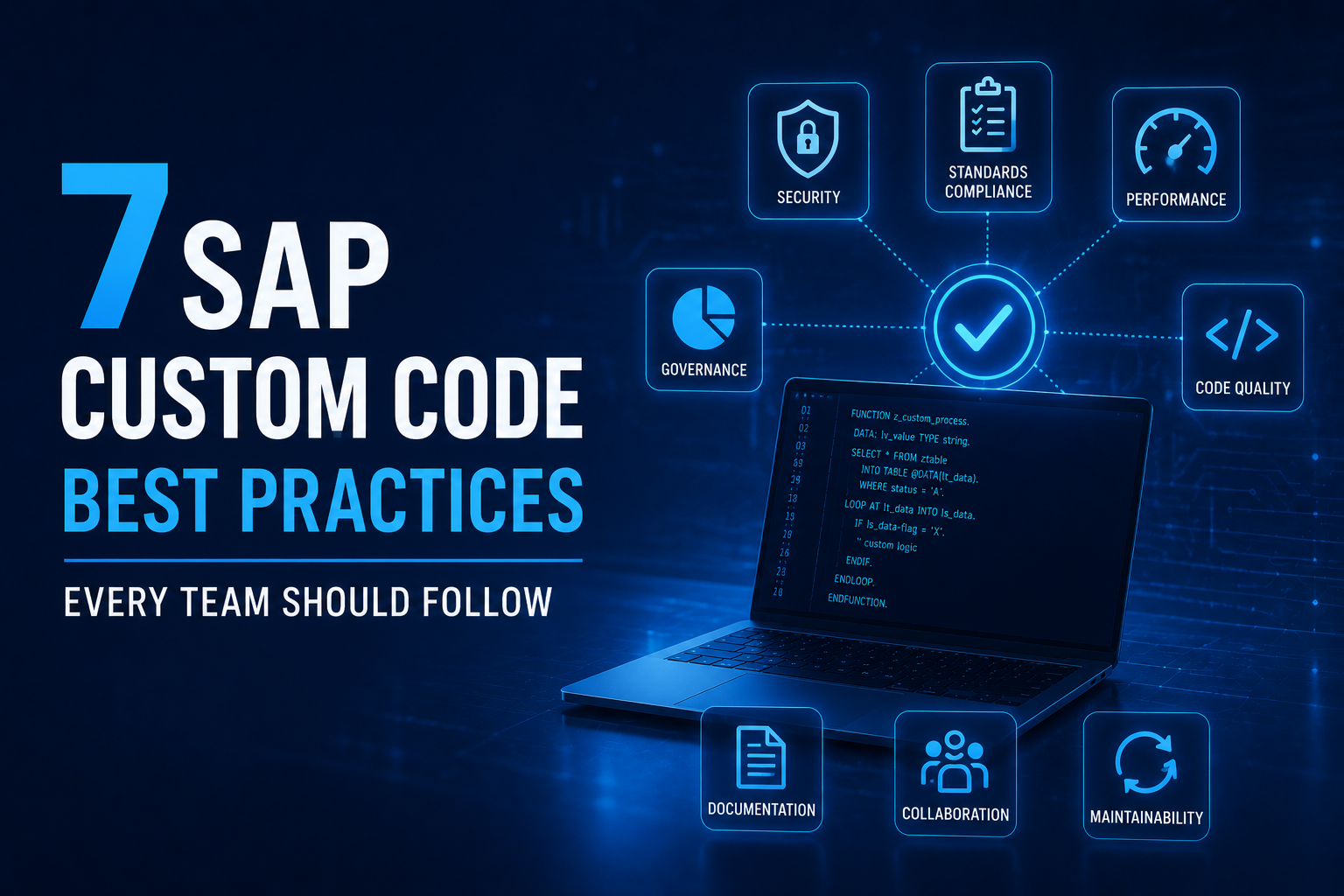
The 10-Point Checklist for Future-Ready SAP Custom Code
Use the following checklist to objectively assess your custom code repository and prepare your systems for future upgrades.
1. Transparency and Code Analysis
Everything starts with data; you cannot transform what you do not understand. Ensure you have conducted a comprehensive custom code analysis that goes beyond simple technical lists. You must identify "Entry Points" (groups of objects representing actual applications) and map deep technical dependencies and data flows.
2. Decommissioning "Dead Code"
Why migrate code you no longer use? Benchmarks reveal that 40% to 60% of custom code in an average SAP system is technically unused. Safely decommissioning this obsolete code immediately reduces your migration scope, eliminates future testing efforts, and yields substantial maintenance savings (often estimated between $0.25 and $0.63 per line of code annually).
3. Securing S/4HANA and HANA Compatibility
Your code must perform optimally on the new HANA database and comply with the simplified data structures of S/4HANA. This requires addressing hundreds of thousands of mandatory coding issues to ensure the system functions without errors post-migration.
4. Mapping to the SAP Clean Core Framework (Levels A to D)
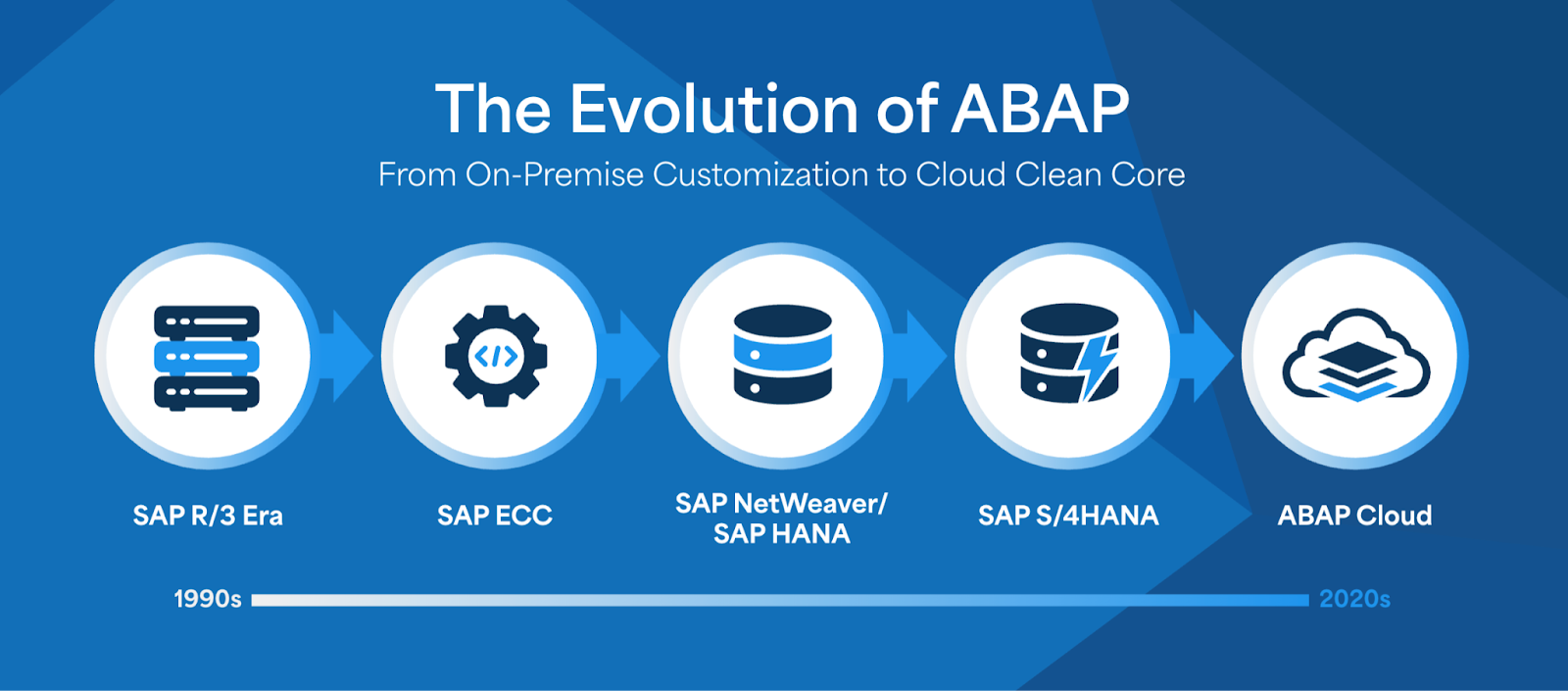
SAP introduced Clean Core extensibility guidelines to classify custom code and extensions. Legacy developments can be mapped to four levels:
- Level A – Cloud Compliant: Extensions built with ABAP Cloud or on SAP BTP using only released APIs.
- Level B – Upgrade Stable: Extensions using released APIs and supported frameworks such as BAdIs.
- Level C – Classic Extensions: Custom code using non-released objects or classic techniques.
- Level D – Modifications: Direct modifications to SAP standard or implicit enhancements.
The strategic objective is to progressively move custom code from Level D towards Level A to achieve a sustainable Clean Core architecture.
5. Closing Security Vulnerabilities (Security Remediation)
Code developed a decade ago rarely meets modern security standards. Automatically identify and remediate security vulnerabilities, such as missing authority checks and directory traversal issues, as part of the code transformation process.
6. Optimizing Performance and Stability
Poorly performing custom code can negate the speed benefits of the HANA database. Legacy ABAP standards must be modernized (e.g., HANA pushdown techniques) to ensure high performance and resilience during live operations.
7. Transitioning to ABAP Cloud Syntax & Released APIs
Future-proof your codebase by automatically applying new ABAP Cloud Syntax to your classic applications. Wherever possible, replace direct read accesses to standard SAP tables with released Core Data Services (CDS) views.
8. Migrating from Classic Appends to Key User Fields
A foundational step toward a Clean Core is replacing classic database append structures with modern Key User Fields. This ensures your custom fields integrate seamlessly into standard Fiori apps and future SAP API frameworks.
9. Protecting Business Velocity (Automated Dual Maintenance)
A multi-year transformation should not paralyze your daily operations. Ensure you utilize Automated Dual Maintenance. For example, Procter & Gamble used this capability to run over 1,000 parallel business projects without a single code freeze during their transition.
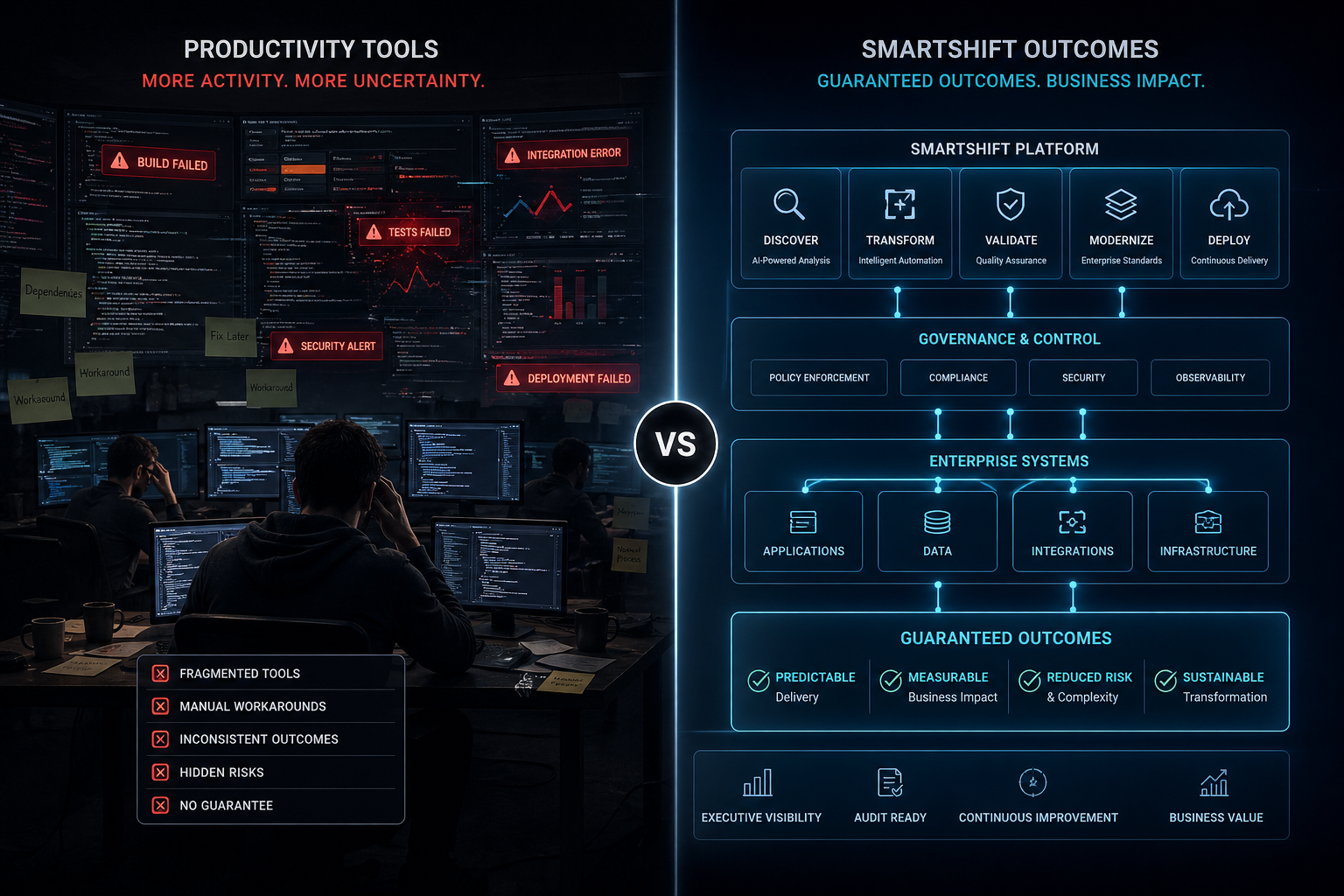
10. Industrial Automation Over Manual Labor
Rely on intelligent automation rather than armies of manual developers with AI tools. Automated platforms can transform millions of lines of code 4x faster with an error rate of less than 0.01%. This frees your internal talent from mundane refactoring tasks, allowing them to focus on strategic business innovations.
Conclusion: Securing Your SAP Landscape's Future
Preparing your SAP custom code for the future is not a sprint won by pressing a "magic button"; it is a continuous, structured marathon. However, attempting to navigate this journey manually exposes your organization to severe budget overruns, project delays, and business disruption.
By leveraging the right intelligent automation platform, you can confidently eliminate technical debt, achieve upgrade stability, and direct your most valuable IT resources toward what truly matters: driving business innovation.
Are you ready to see exactly how future-ready your system is?
Contact us today to schedule a Rapid Code Analysis and gain immediate, data-driven insights into your legacy SAP repository.
https://smartshift.com/rapid-code-analysis/