Introduction
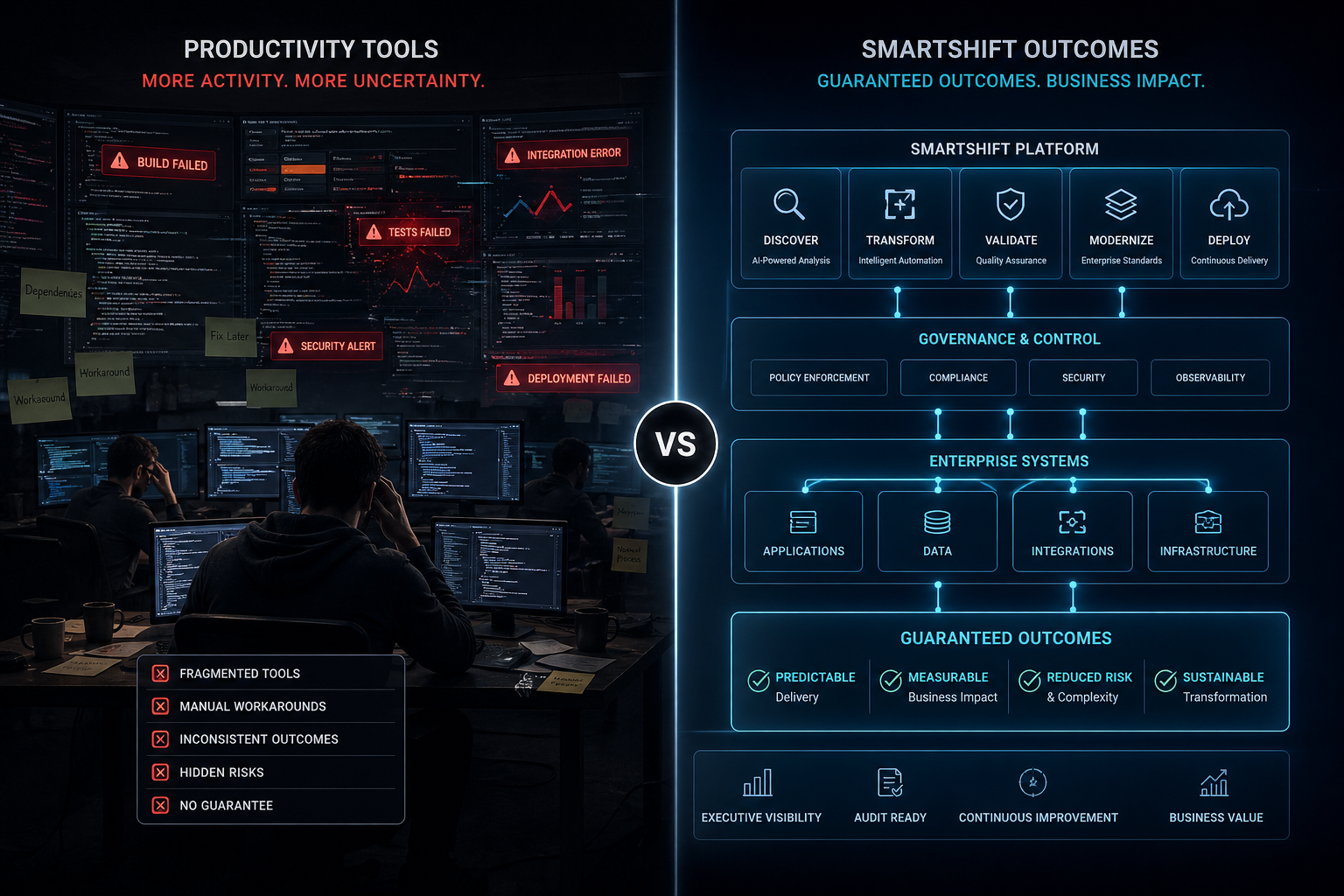
Over years of SAP use, most organizations accumulate thousands, and sometimes millions, of lines of custom code. What begins as necessary extensions to support business processes evolves into a complex landscape of dependencies and technical debt embedded across the SAP environment.
This complexity is often managed over time, but it introduces hidden costs and burdens the system with unused or non-compliant code. The full impact typically becomes visible during the next major upgrade.
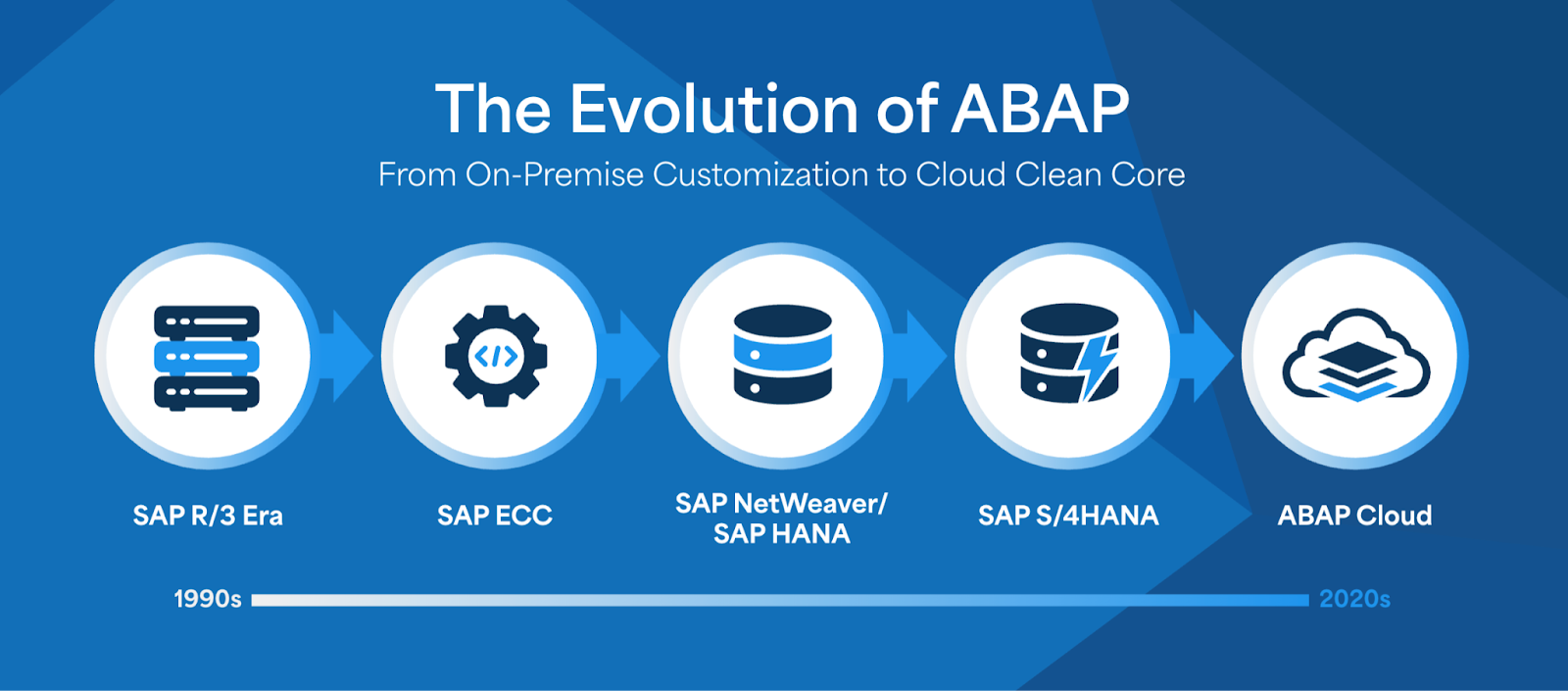
As organizations accelerate their transition to S/4HANA and adopt SAP’s Clean Core strategy, unmanaged custom code has become a strategic risk. It can slow upgrades, expand testing requirements, and introduce performance challenges on SAP HANA.
SAP systems are designed to support extension through custom code. Effective environments depend on disciplined lifecycle management, with strong visibility, governance, and optimization. For S/4HANA readiness, this begins with remediation, followed by selective modernization once the system is stable.
What You’ll Learn
In this guide, we’ll identify the seven SAP custom code best practices every team should follow to reduce technical debt, improve system performance, support Clean Core initiatives, and ensure long-term readiness for SAP S/4HANA and future innovation.
After reading this article, you’ll understand how to:
- Identify and prioritize high-risk custom code that may impact S/4HANA readiness
- Reduce technical debt while aligning with SAP Clean Core best practices
- Improve SAP HANA performance by optimizing inefficient ABAP logic
- Establish stronger governance for the custom code lifecycle
- Prepare custom code environments for future SAP upgrades and releases
- Introduce automation into custom code analysis, remediation, and modernization workflows
Why SAP Custom Code Management Matters More Than Ever
Over decades of SAP usage, most organizations accumulate significant volumes of custom code. What begins as practical extensions to support business processes or reporting evolves into a complex landscape of Z programs, enhancements, and modifications embedded throughout the system.
In mature environments, it’s not uncommon to manage tens of thousands of custom objects supporting critical operations. Custom development plays an important role in aligning SAP with real-world requirements. The challenge arises when it grows without clear governance, visibility, or lifecycle management.
As organizations prepare for SAP S/4HANA conversions and future upgrades, unmanaged custom code increases risk and complexity. Every upgrade must account for objects that may be unused, rely on outdated patterns, or conflict with modern SAP capabilities.
The shift to SAP HANA raises the stakes further. Legacy ABAP patterns and inefficient SQL logic can introduce performance bottlenecks if not optimized for HANA’s in-memory architecture.
At the same time, SAP is encouraging a Clean Core approach, which minimizes direct modifications to the ERP core and promotes more sustainable extension models. Achieving this requires organizations to evaluate which custom code should be retained, optimized, modernized, or retired.
Without a structured approach, technical debt accumulates quickly, increasing the effort required for upgrades, testing, and ongoing maintenance.
That’s why SAP teams are placing greater emphasis on custom code lifecycle management. By strengthening governance, introducing automation, and modernizing selectively, organizations can reduce upgrade risk, improve performance, and keep their SAP landscape ready for future innovation.
Some Important Statistics You Should Know
- According to ASUG research, 47% of members in 2024 were already using SAP S/4HANA or had begun implementation, reflecting steady adoption across the SAP landscape. Another 69% expect to implement S/4HANA within the next two years, accelerating the need for system readiness and modernization planning.
- However, organizations face a growing resource challenge. Industry estimates suggest that 72% of ABAP developers are over age 40, creating growing workforce constraints around maintaining legacy SAP custom code.
- Meanwhile, SAP’s mainstream maintenance for ECC ends December 31, 2027, creating a hard deadline for organizations still running legacy environments.
Together, these trends highlight the urgency of modernization. Organizations must manage growing custom code complexity under tighter timelines and constrained resources. This requires a structured approach to transforming existing custom code across its lifecycle.
The Impact of Efficient SAP Custom Code Management
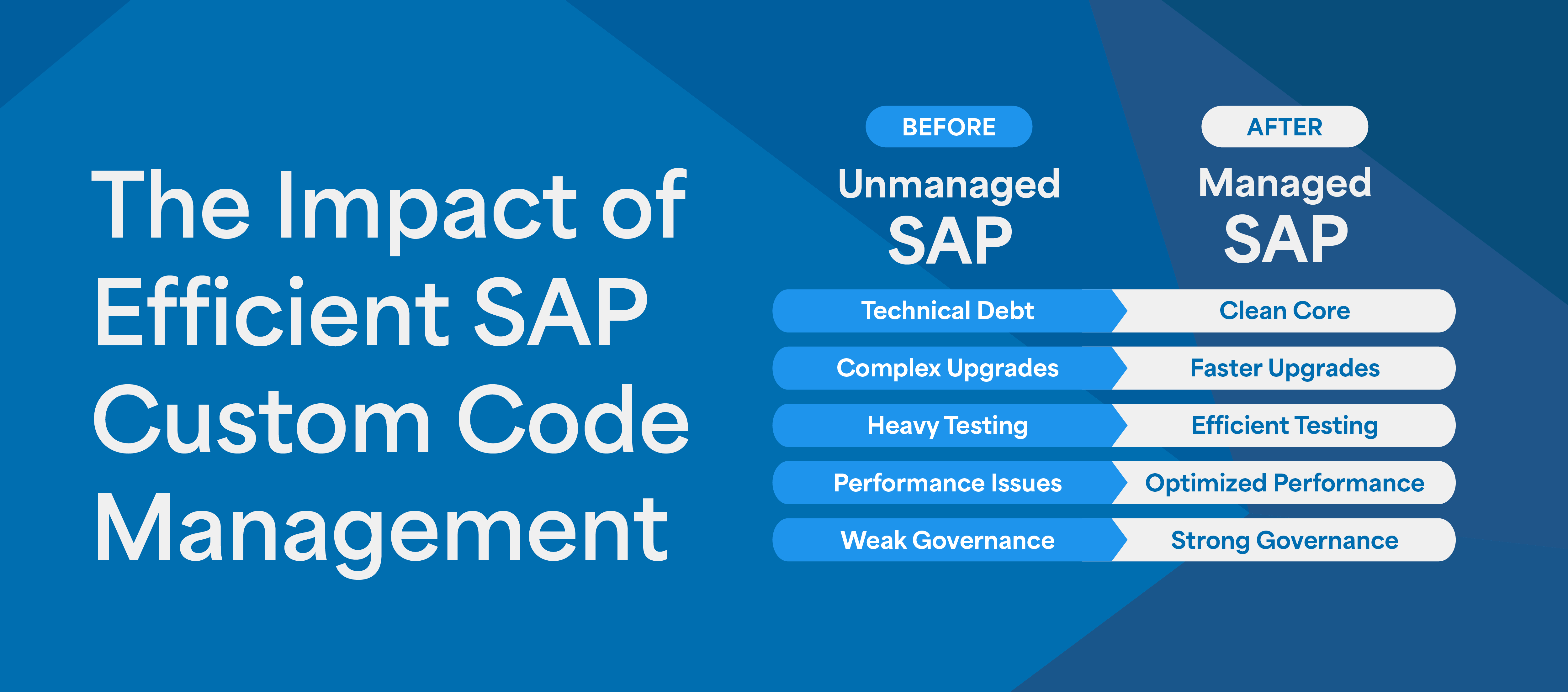
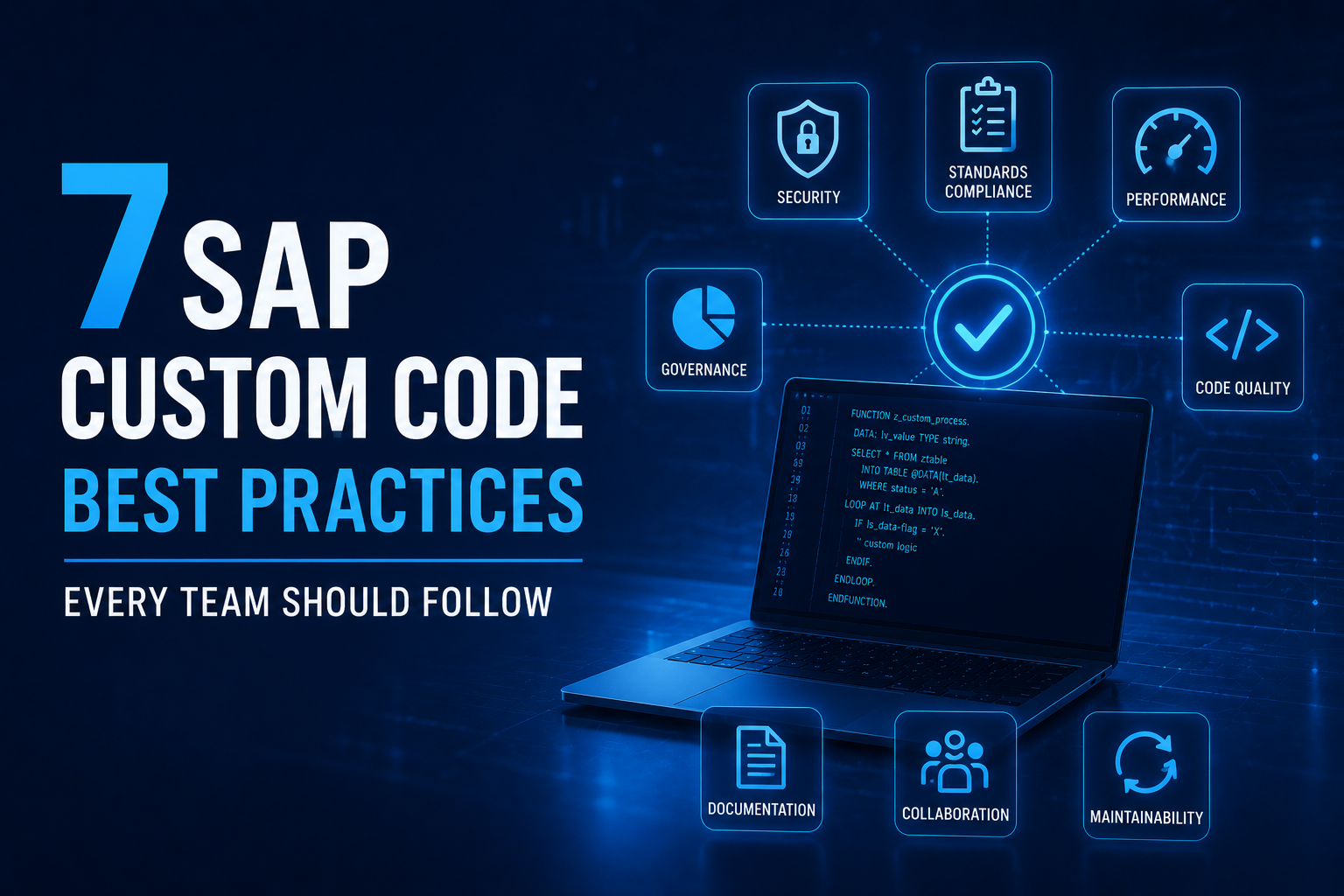
7 SAP Custom Code Best Practices for SAP Custom Code Excellence
Managing existing SAP custom code effectively requires treating it as a managed lifecycle. At enterprise scale, automation is essential to apply these practices consistently and reduce risk across large custom code landscapes.
The following best practices help SAP teams reduce technical debt, improve system performance, and prepare their environments for ongoing innovation.
Best Practice #1 – Conduct Regular SAP Custom Code Analysis
The first step toward effective custom code management is visibility.
Over time, SAP environments accumulate thousands of custom objects, many of which may be obsolete, redundant, or rarely executed. Without regular analysis, organizations lack a clear understanding of which custom code supports critical business processes.
Regular analysis helps teams:
- Identify unused or low-value custom objects for further evaluation
- Detect performance issues and outdated patterns
- Prioritize remediation for S/4HANA readiness
Best Practice #2 – Remove Unused or Obsolete Custom Code
Once visibility is established, the next step is reducing unnecessary complexity.
Unused or redundant custom code increases upgrade effort, expands testing scope, and adds avoidable risk during system transformations. Removing these objects simplifies the code landscape and allows teams to focus on business-critical functionality.
Best Practice #3 – Prioritize Custom Code Remediation for S/4HANA Compatibility
Preparing for SAP S/4HANA begins with remediation.
Legacy custom programs may rely on outdated data models, incompatible objects, or inefficient logic that must be addressed before system conversion. Without structured remediation, these issues can delay migration timelines and increase testing effort.
Prioritizing remediation establishes a stable foundation for S/4HANA readiness and enables more targeted modernization once the system is compatible.
Best Practice #4 – Optimize Existing Custom Code for SAP HANA
Custom code written for traditional databases may not perform efficiently on SAP HANA.
Inefficient SQL statements, nested loops, and legacy ABAP patterns can introduce performance bottlenecks if not optimized for HANA’s in-memory architecture.
Optimization efforts typically focus on:
- Improving database queries
- Applying code pushdown techniques
- Reducing unnecessary data transfers
These optimizations are typically addressed as part of broader remediation and modernization efforts during system transformation.
Best Practice #5 – Align Existing Custom Code with SAP Clean Core Principles
SAP’s Clean Core strategy encourages reducing reliance on direct modifications to standard SAP objects.
For existing custom code, this means evaluating which functionality should be retained, refactored, or relocated to more sustainable extension approaches. For existing custom code, aligning with SAP Clean Core principles requires evaluating which functionality should be retained, refactored, or relocated.
Best Practice #6 – Validate Custom Code Changes During Transformation
As custom code is analyzed, removed, and remediated, validation becomes an important part of the transformation process.
Changes to existing custom objects can impact core business processes, integrations, and reporting. Organizations should ensure those changes are validated as part of their broader upgrade or S/4HANA conversion process so business-critical processes continue to operate as expected.
Best Practice #7 – Establish Ongoing Governance Across the Custom Code Lifecycle
Sustainable custom code management requires continuous governance.
Clear ownership, documentation, and lifecycle tracking ensure that custom code remains aligned with evolving business and system requirements.
Effective governance includes:
- Documenting purpose and dependencies
- Tracking lifecycle status of custom objects
- Enforcing consistent review and change processes
What are Common Mistakes Teams Make in SAP Custom Code Development?
Even experienced SAP teams accumulate technical debt as custom development grows over time. Without clear governance, visibility, and lifecycle management, custom code environments can grow in ways that complicate upgrades, conversions, and modernization efforts.
The following challenges often surface during SAP S/4HANA conversions, system upgrades, or Clean Core initiatives.
Ignoring Code Cleanup
SAP systems frequently retain large volumes of unused or obsolete custom code. These objects increase upgrade complexity, expand testing scope, and make it harder to identify which custom programs support critical business processes.
Regular cleanup reduces risk and improves visibility into high-value custom code.
Managing the Impact of Extensive Customization
Custom development plays a critical role in aligning SAP with real-world business requirements. In many environments, extensive customization reflects the complexity and uniqueness of business processes rather than a strategic choice.
Over time, however, large volumes of embedded business logic can increase the effort required for upgrades, testing, and system transitions. This is especially relevant during SAP S/4HANA conversions, where custom code must be analyzed, remediated, and validated for compatibility.
The focus is not on reducing customization, but on managing its impact. By introducing stronger visibility, lifecycle management, and remediation strategies, organizations can maintain business-critical functionality while reducing risk during system transformation.
Testing Custom Code During Transformation
Custom code often supports critical business processes across finance, supply chain, HR, and other areas. As organizations analyze, remove, and remediate existing custom code, testing becomes a critical part of the transformation process.
Changes to custom objects can impact downstream processes, integrations, and reporting. Without structured validation, issues may surface during system upgrades or SAP S/4HANA conversions.
As a result, organizations must ensure that custom code changes are thoroughly validated as part of remediation and optimization efforts to maintain system stability and reduce transformation risk.
Lack of Clean Core Alignment
Many SAP environments predate Clean Core principles, leading to direct modifications to standard objects or to tightly coupled integrations.
Without alignment, organizations face greater effort during S/4HANA conversions and ongoing maintenance.
Delayed Optimization
Custom code optimization is often deferred until major transformation projects. By then, technical debt has accumulated across large codebases.
Addressing performance issues, outdated patterns, and unused code earlier in the lifecycle reduces risk and improves readiness for future upgrades.
Let’s Sum It All Up
SAP systems sit at the center of operations for many of the world’s largest enterprises, supporting critical processes across finance, supply chain, manufacturing, and customer operations. For decades, organizations have extended these systems with custom code to meet unique business requirements.
Today, however, the SAP landscape is entering a new phase.
The transition to SAP S/4HANA, the shift toward Clean Core architectures, and the approaching 2027 end of support for ECC are accelerating modernization timelines across the ecosystem. At the same time, many organizations are managing decades of accumulated custom code with increasingly limited development resources.
In this environment, managing custom code cannot remain a reactive activity tied only to upgrade cycles. It must become a structured, ongoing lifecycle discipline that aligns with the realities of SAP transformation.
For most organizations, this begins with remediation to establish a stable foundation for S/4HANA, followed by selective modernization once that foundation is in place.
By applying the best practices outlined in this guide, organizations can reduce technical debt, improve upgrade readiness, and modernize their SAP environments with greater confidence.
For SAP leaders navigating the path to S/4HANA, effective custom code management is not just a technical concern. It is a critical capability for maintaining system stability, accelerating transformation timelines, and ensuring that SAP continues to support the next generation of enterprise innovation. This requires managing custom code as a continuous lifecycle, from analysis and remediation through selective modernization and ongoing governance.

FAQs
What are SAP custom code best practices?
SAP custom code best practices are lifecycle management practices that help organizations evaluate, transform, and govern existing custom code more effectively. These practices include regular code analysis, removal of unused or obsolete objects, S/4HANA remediation, SAP HANA performance optimization, Clean Core alignment, validation during transformation, and ongoing governance.
Following these practices helps organizations reduce technical debt, improve system performance, and prepare SAP environments for upgrades and SAP S/4HANA conversions.
How does custom code impact SAP upgrades or S/4HANA migration?
Custom code can significantly affect SAP upgrades and S/4HANA migrations, as every custom object must be evaluated for compatibility with the new platform.
Legacy ABAP code may rely on outdated database logic, deprecated SAP objects, or inefficient performance patterns that require remediation before a system can be upgraded. The larger the custom code footprint, the more effort is required for analysis, testing, and optimization during migration projects.
Proactively managing custom code helps reduce upgrade complexity and accelerate S/4HANA readiness.
How should SAP custom code be optimized for SAP HANA?
Optimizing SAP custom code for SAP HANA involves updating legacy ABAP code to leverage HANA’s in-memory architecture.
Key optimization strategies include rewriting inefficient database queries, minimizing data transfers between the application and database layers, and applying code pushdown techniques to process data directly in the database.
By modernizing ABAP logic for HANA, organizations can significantly improve system performance and ensure applications fully leverage the capabilities of the SAP HANA platform.
What is SAP Clean Core and why is it important?
SAP Clean Core is a development strategy that encourages organizations to minimize modifications to the SAP ERP core and implement extensions using approved frameworks and extension models.
By keeping the core SAP system as close as possible to the standard software, organizations can simplify upgrades, reduce maintenance complexity, and adopt new SAP innovations more easily.
Clean Core principles help organizations maintain a more stable SAP environment while supporting long-term modernization and cloud adoption strategies.
How does SAP Clean Core reduce technical debt?
SAP Clean Core reduces technical debt by limiting direct modifications to standard SAP code and encouraging more sustainable extension approaches.
When organizations avoid modifying core SAP objects, future upgrades require fewer code adjustments and testing cycles. Extensions built using approved frameworks are easier to maintain, update, and migrate across SAP releases.
Over time, this approach helps organizations maintain a cleaner architecture and reduces the accumulation of legacy customizations that can slow system modernization.
What are common ABAP best practices developers should follow?
For existing ABAP custom code, best practices focus on lifecycle management, remediation, optimization, and governance. Teams should regularly analyze custom objects, remove unused or obsolete code, remediate compatibility issues for SAP S/4HANA, and optimize performance for SAP HANA where needed.
They should also align existing custom code with Clean Core principles and maintain clear documentation around purpose, dependencies, and lifecycle status. This process helps reduce technical debt, improve upgrade readiness, and keep custom code aligned with future SAP platform requirements.
Topics: