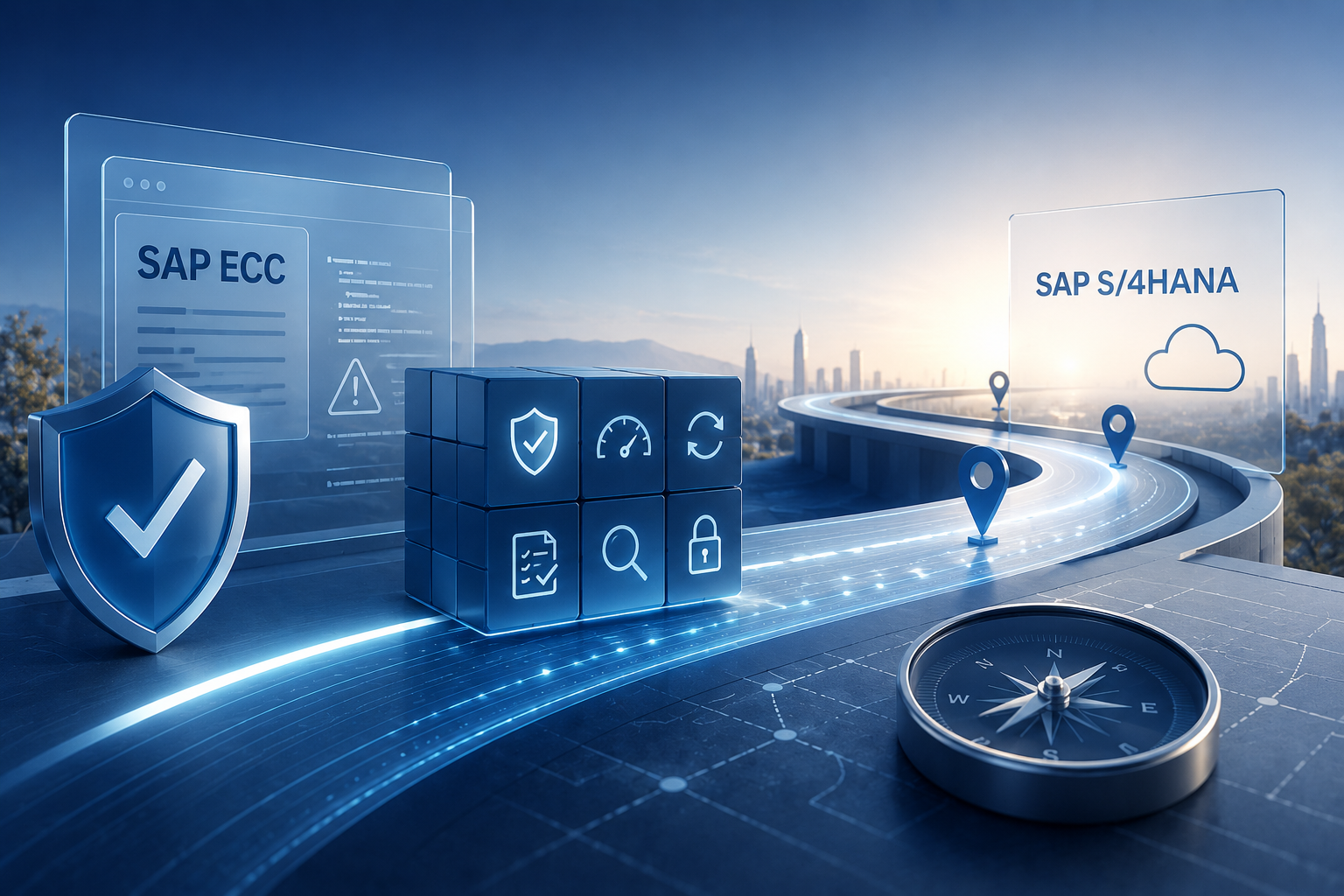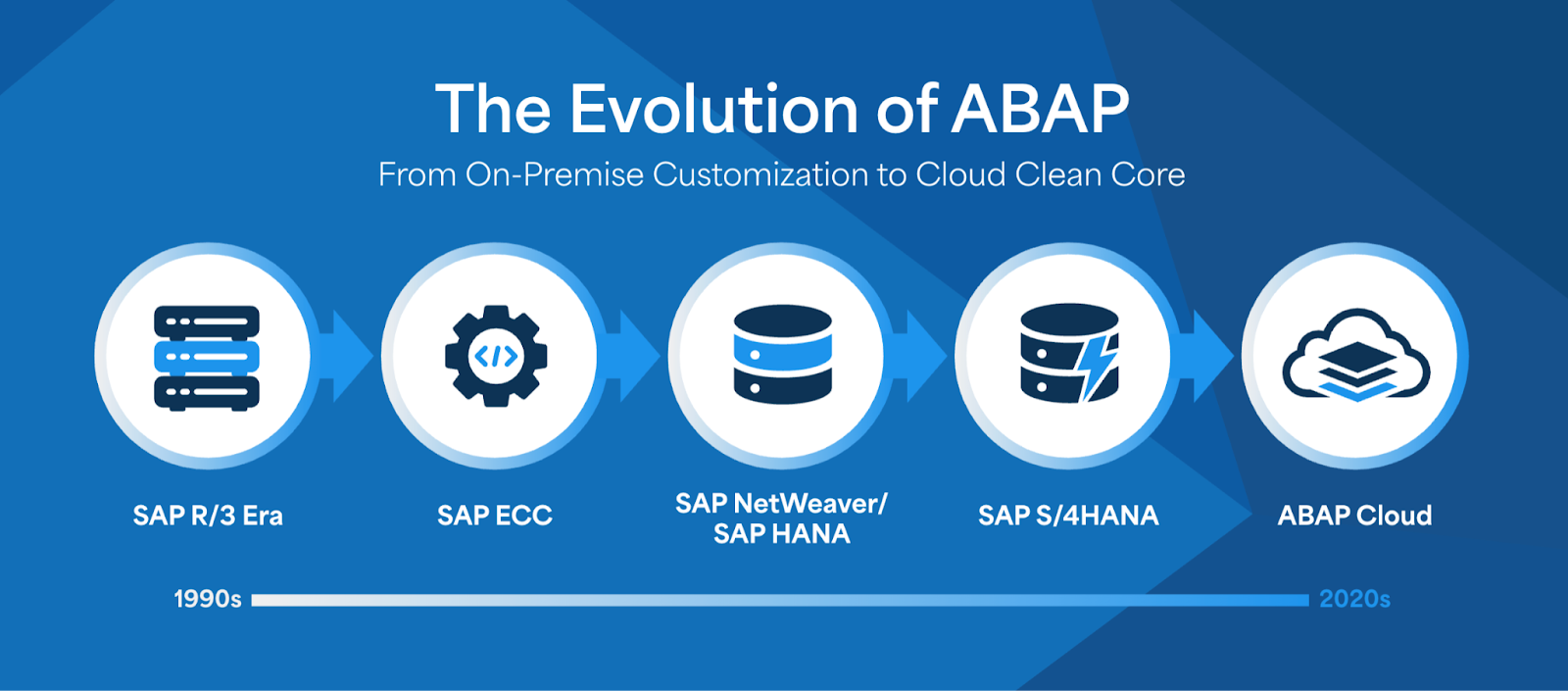
Transitioning to SAP S/4HANA requires addressing decades of SAP legacy code. Retaining this obsolete programming drains budgets, introduces severe risks, and complicates upgrades. By leveraging intelligent automation, organizations can safely decommission dead code, eliminate technical debt, and ensure full compatibility with modern Clean Core architecture at mass scale.
Overview
As the 2027 maintenance deadline for SAP ECC rapidly approaches, enterprises face a significant hurdle: managing their SAP legacy code. The average system contains millions of lines of custom programming, with up to 60% remaining entirely unused. This article explores the hidden costs and risks associated with untreated technical debt during an SAP S/4HANA migration. We will define essential industry terms, outline the mandatory shift towards SAP Clean Core standards, and explain why traditional manual remediation is no longer sufficient. Discover how an automated custom code transformation strategy guarantees enterprise outcomes and accelerates your digital journey.
Essential Industry Terms Defined
Before diving into modernization strategies, let us establish a clear baseline of terminology:
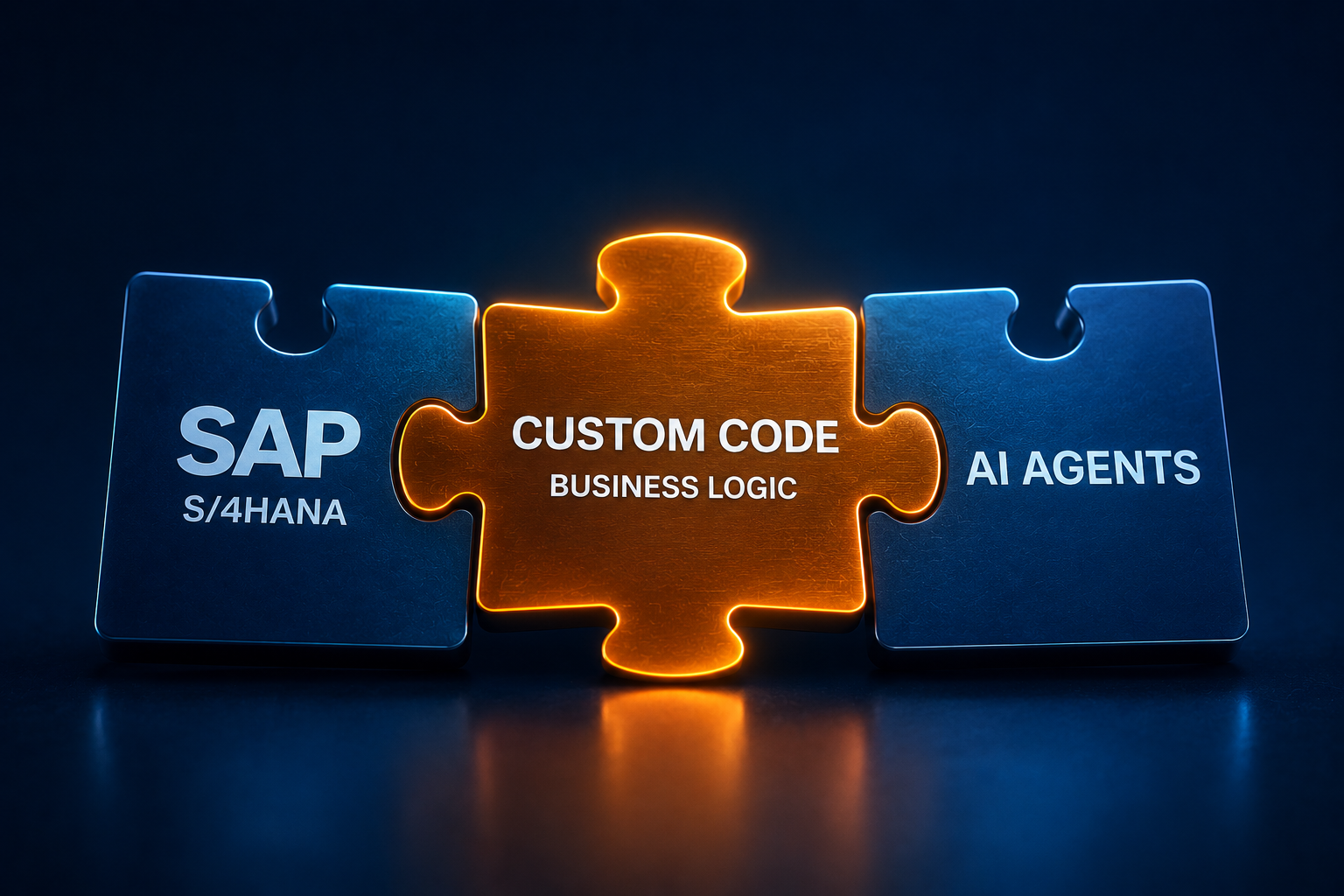
- SAP Legacy Code: Outdated, heavily customized ABAP programming built to address specific business needs not met by standard SAP functionality, often incompatible with modern S/4HANA environments.
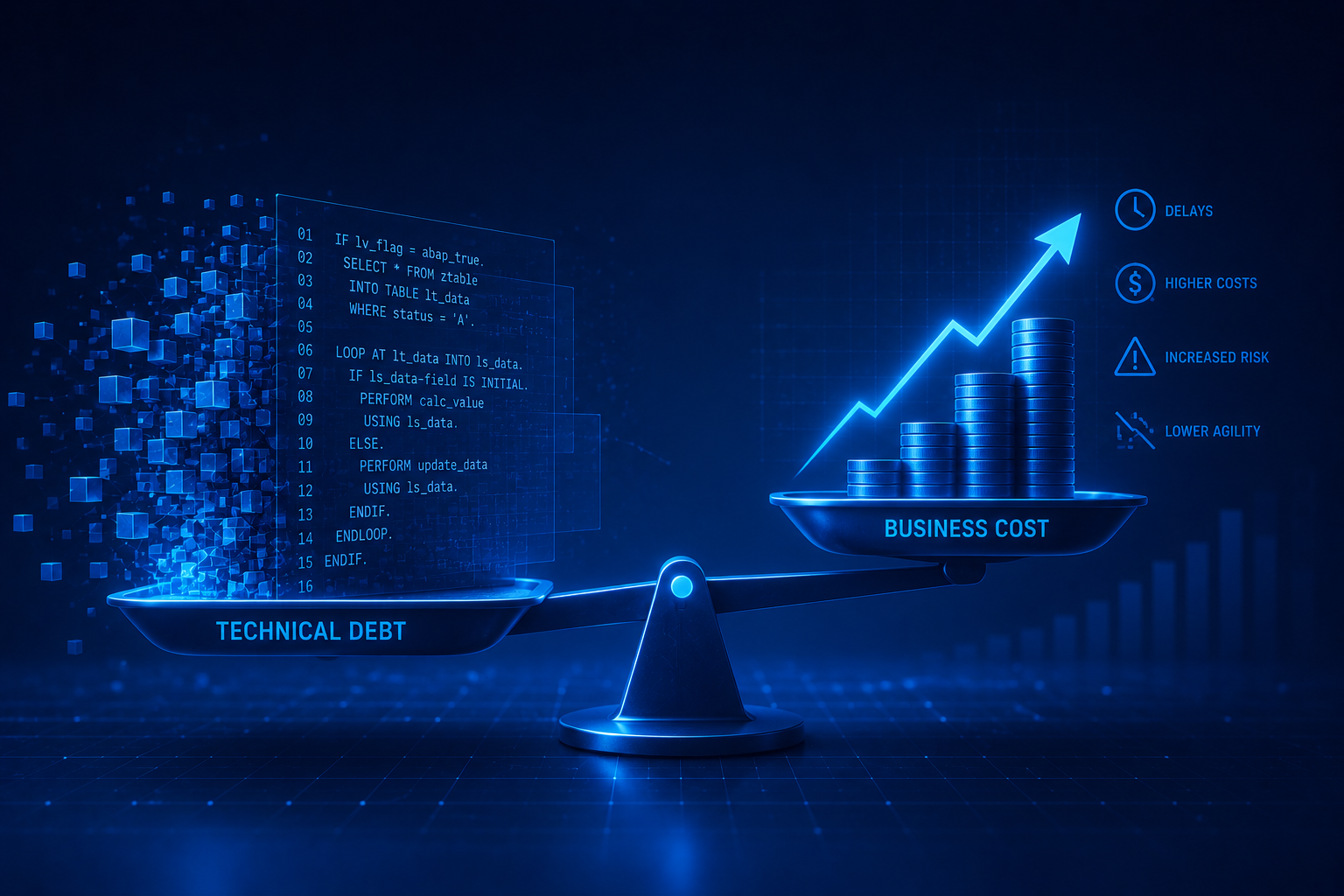
- Technical Debt: The accumulated financial and operational cost of maintaining unoptimized, unsecured, or unused custom code that requires extensive manual refactoring.
- Clean Core Architecture: SAP's strategic approach and extensibility framework ensuring all custom extensions use released APIs, maintaining long-term upgrade stability and cloud compatibility.
The True Cost of Untreated Technical Debt
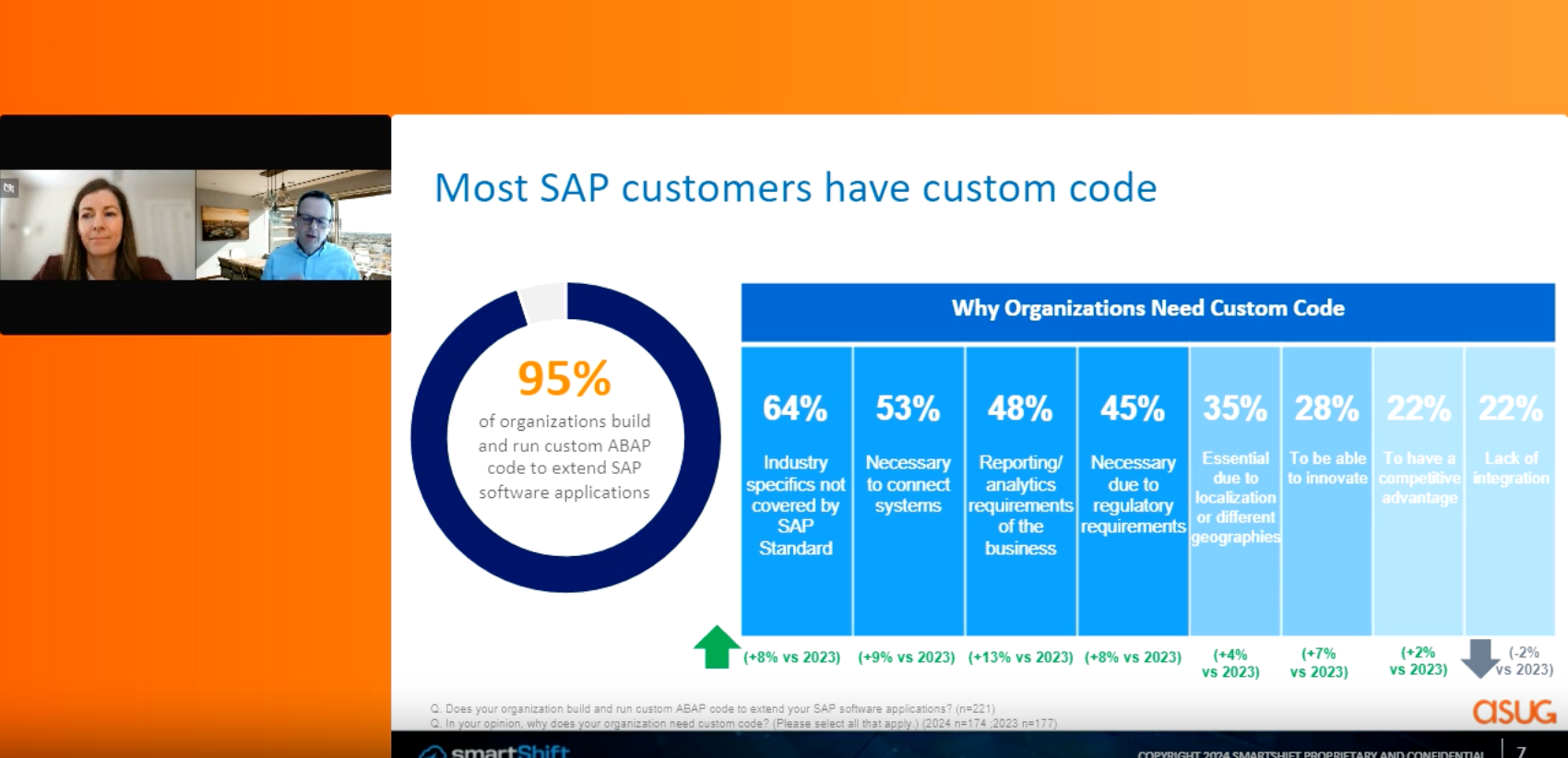
SAP legacy code is a business necessity, with 95% of organisations relying on it to run core processes. However, over time, the scale of these modifications becomes a massive liability.
The average SAP ECC system has accumulated roughly 22,000 custom objects and 2.7 million lines of code. Yet, industry benchmarks reveal a startling fact: between 40% and 60% of this custom code is technically obsolete or entirely unused. Retaining this "dead code" introduces severe operational burdens:
- Financial Drain: Maintaining, testing, and upgrading unused code costs an estimated $0.25 to $0.63 per line annually.
- Security Vulnerabilities: An unmanaged legacy repository typically harbours over 300,000 technical debt issues related to performance, security, and ABAP stability.
- Testing Inflation: During an SAP S/4HANA migration, excessive customisations needlessly inflate rigorous regression testing efforts, pulling valuable IT staff away from innovation.
Navigating the SAP Clean Core Architecture
To prevent future technical debt, SAP introduced the Clean Core paradigm, classifying custom SAP legacy code into specific extensibility levels to determine upgrade stability:
- Level A (Cloud Ready): The gold standard, using released APIs and modern ABAP Cloud syntax.
- Level B (Upgrade Stable): Extensions that use well-defined, classic SAP APIs.
- Level C (Conditional Clean Core): Code interacting with standard objects where SAP provides change logs, but stability is not guaranteed.
- Level D (Not Clean Core): Legacy practices that violate Clean Core principles, such as direct database modifications, implicit enhancements, and standard table writes.
To future-proof operations, enterprises must identify their Level D objects and systematically transition them to higher tiers.
Manual Remediation vs. Automated Custom Code Transformation
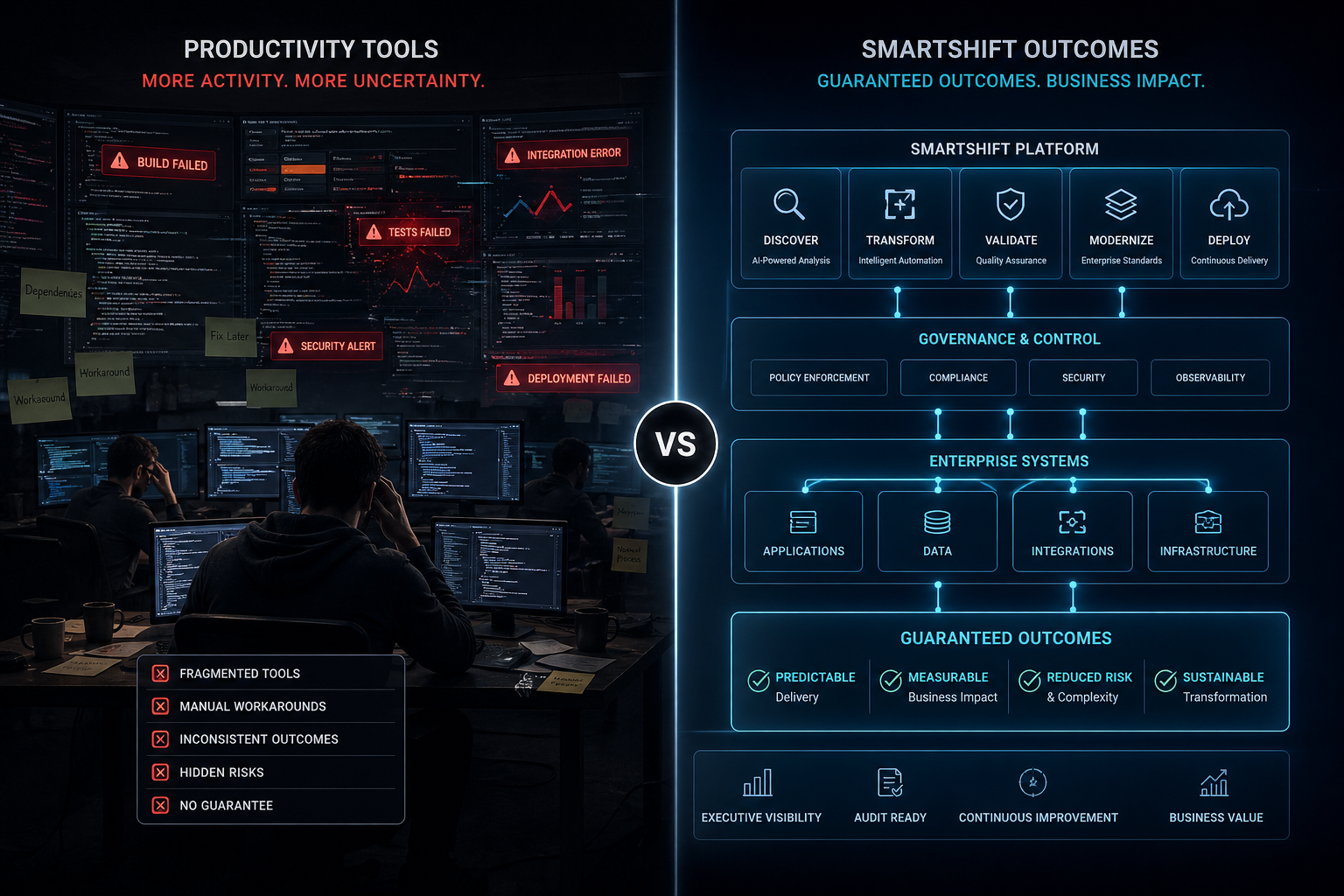
Historically, organizations relied on manual developers or basic AI developer assist tools to refactor SAP legacy code. However, manual remediation is labour-intensive, error-prone, and fundamentally unsuited for enterprise scale.
Furthermore, relying purely on Generative AI (LLMs) to rebuild complex logic introduces severe risks. As smartShift Founder Stefan Hetges notes, while AI is a brilliant builder, pure LLMs can hallucinate at rates between 15% and 52%, potentially baking thousands of errors into mission-critical systems.
The only viable path forward is deterministic, outcome-based automation.
3 Steps to Eliminate Technical Debt
Transforming SAP legacy code requires a structured, data-driven approach:
- Decommission Unused Code: Use SAP statistical usage data (e.g., SCMON or UPL) to objectively identify and safely retire the 40% to 60% of dead code before the migration begins.
- Automate the Refactoring: Deploy a deterministic transformation engine that applies hundreds of rulesets to adapt the remaining codebase. Automation resolves S/4HANA compatibility, optimizes HANA database performance (e.g., replacing legacy queries with CDS views), and fixes security vulnerabilities simultaneously.
- Implement Dual Maintenance: Prevent business disruption during the transformation. Automated Dual Maintenance continuously synchronizes new daily changes from your legacy ECC system into your S/4HANA project landscape, helping to eliminate risky "code freezes".
Conclusion
Your SAP legacy code should not dictate your organization's future agility. Treating it as a massive, manual refactoring exercise will inevitably drain your budget and introduce severe operational risks.
By trusting outcome-based automated custom code transformation, you ensure your repository is fully modernized, secure, and compatible with S/4HANA's architecture, delivered on a guaranteed timeline with zero disruption to your daily operations. Stop letting technical debt manage you, and start building your Clean Core future today.